

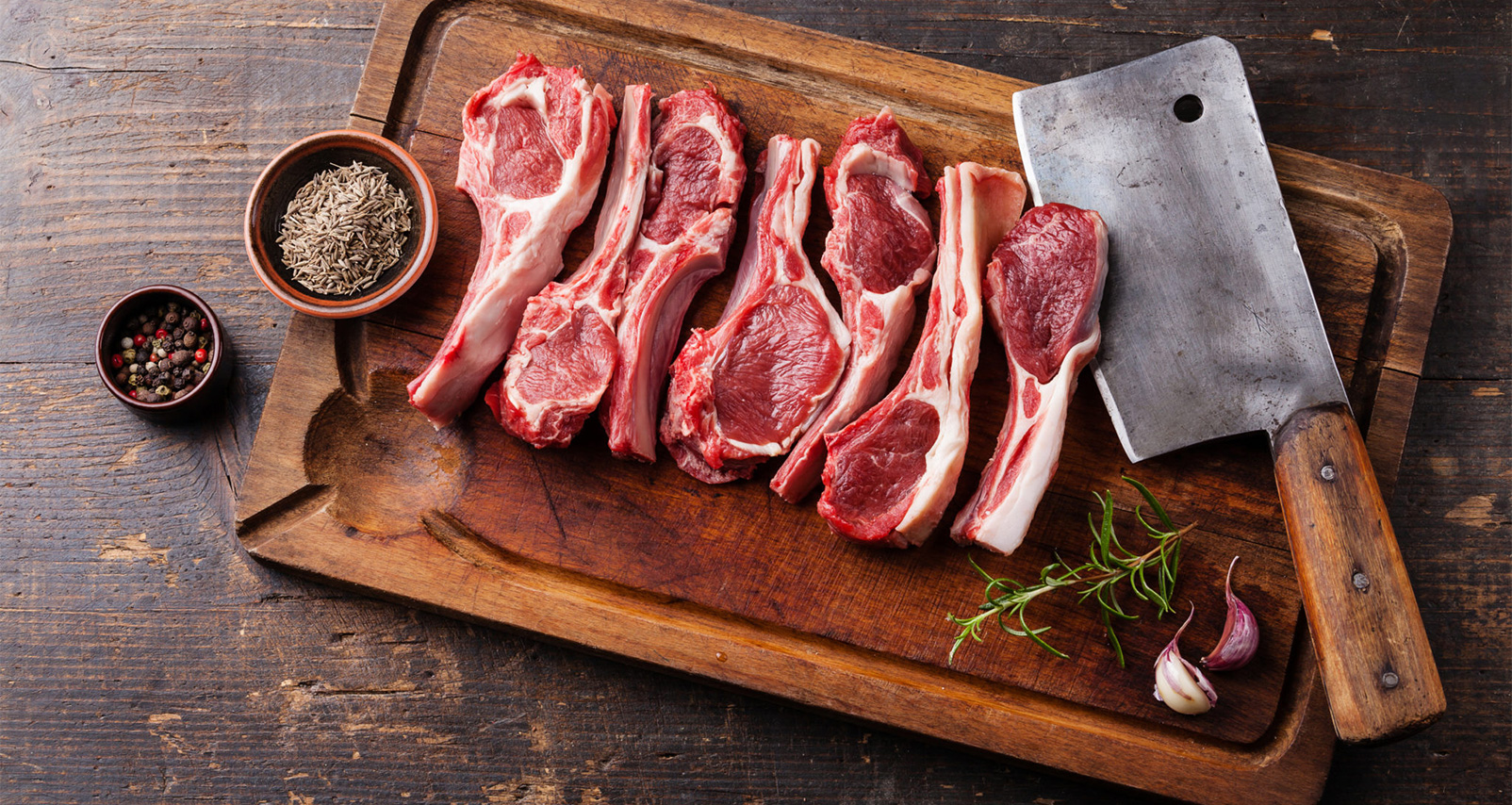

Slow-cooked lamb is a favourite for hearty family meals, comforting Sunday roasts, and special occasions. However, if you’re standing at the butcher’s counter wondering whether to choose lamb shank or lamb shoulder, you’re not alone. Both cuts are packed with flavour and become beautifully tender when cooked low and slow, but each offers distinct advantages depending on your recipe and serving style.
In this guide, we’ll compare lamb shank vs lamb shoulder to help you choose the best cut for your next meal. From tenderness and cooking time to portion size and presentation, you’ll learn which option suits your needs best.
Lamb Shank vs Lamb Shoulder: Quick Comparison
| Feature | Lamb Shank | Lamb Shoulder |
| Cut Location | Lower part of the leg | Front shoulder |
| Best Cooking Method | Braising, slow cooking | Slow roasting, braising |
| Cooking Time | 3–4 hours | 4–6 hours |
| Texture | Fall-off-the-bone | Pull-apart tender |
| Fat Content | Leaner | More marbling |
| Serving Style | Individual portions | Family-style roast |
| Best For | Elegant dinners, casseroles | Sunday roasts, entertaining |
What Is the Difference Between Lamb Shank and Lamb Shoulder?
Although both cuts come from the same animal, they differ significantly in structure and cooking characteristics.
Lamb shank comes from the lower section of the leg. Because this muscle works hard throughout the animal’s life, it contains plenty of connective tissue. This makes it tough if cooked quickly but exceptionally tender when braised or slow-cooked.
Lamb shoulder is taken from the front shoulder. It contains more fat and marbling, allowing it to stay moist during long roasting or braising. The result is juicy, pull-apart meat that is perfect for sharing.
Both cuts are excellent for slow cooking, but the choice depends on how you want to serve your meal.
Where Does Each Cut Come From?
Understanding where each cut comes from helps explain why they behave differently during cooking.
Lamb Shank
The shank is cut from the lower portion of the front or hind leg.
Characteristics include:
- Bone-in cut
- Lean muscle
- High connective tissue
- Rich, concentrated flavour
Its collagen-rich structure makes it one of the best cuts for braising.
Lamb Shoulder
The shoulder comes from the upper front section of the lamb.
Characteristics include:
- Well-marbled meat
- Higher fat content
- Larger roasting joint
- Moist, juicy texture
During slow cooking, the fat renders gradually, creating incredibly succulent meat.
Which Cut Becomes More Tender When Slow Cooked?
The answer is simple: both become incredibly tender, but the texture is different.
Lamb Shank
When cooked slowly, collagen melts into gelatin, producing meat that gently falls away from the bone while still holding its shape.
Perfect for:
- Braised dishes
- Red wine sauces
- Restaurant-style presentation
- Individual servings
Lamb Shoulder
The additional fat and marbling create meat that becomes soft enough to shred with forks.
Ideal for:
- Pulled lamb
- Sandwiches
- Wraps
- Roast dinners
- Family sharing platters
If you’re looking for a roast that everyone can help themselves to, shoulder is hard to beat.
Which Is Better for Individual Portions or a Family Roast?
This is where the two cuts differ the most.
Choose Lamb Shank If You Want:
- Individually portioned meals
- Elegant dinner party presentation
- Rich braised dishes
- Easy serving
- Even portion sizes
Each shank naturally serves one person, making plating effortless.
Choose Lamb Shoulder If You Want:
- Family meals
- Sunday roasts
- Holiday gatherings
- Leftovers
- Pulled lamb recipes
One shoulder can comfortably feed several people, making it an economical and practical choice for larger households.
Does Lamb Shoulder Take Longer to Cook Than Shank?
Generally, yes.
Both cuts require low temperatures over several hours to become tender, but shoulder is typically larger.
| Cut | Approximate Cooking Time |
| Lamb Shank | 3–4 hours |
| Lamb Shoulder | 4–6 hours |
Cooking at a low temperature allows the connective tissue to break down naturally without drying out the meat.
Whether you’re braising or roasting, patience delivers the best flavour and texture.
Which Cut Is Easier to Serve and Portion?
Lamb Shank
Serving couldn’t be simpler.
Each shank is already portioned, making it ideal for:
- Couples
- Dinner guests
- Fine dining presentation
- Individual plated meals
No carving is required.
Lamb Shoulder
Because it’s a larger joint, shoulder offers greater flexibility.
You can:
- Slice it
- Pull it apart
- Serve buffet style
- Portion according to appetite
This makes shoulder particularly popular for family gatherings and entertaining.
Flavour Comparison
Both cuts offer rich lamb flavour, but each has its own character.
Lamb Shank
Expect:
- Deep savoury flavour
- Rich braising juices
- Slightly firmer texture
- Excellent with herbs and red wine
Lamb Shoulder
Expect:
- Rich buttery taste
- Higher juiciness
- Tender marbled meat
- Full-bodied lamb flavour
The extra fat creates exceptional depth and moisture throughout the roast.
Which Cut Offers Better Value?
Value isn’t simply about price—it’s about how you intend to use the meat.
Lamb Shank Offers Better Value If You:
- Prefer individual portions
- Cook for two to four people
- Want impressive presentation
- Enjoy slow-braised meals
Lamb Shoulder Offers Better Value If You:
- Feed larger families
- Want leftovers
- Meal prep
- Entertain guests regularly
A single shoulder can provide multiple meals, making it an excellent investment for larger households.
Best Cooking Methods for Each Cut
Best Ways to Cook Lamb Shank
Because of its connective tissue, lamb shank excels in moist cooking methods.
Recommended methods include:
- Braising
- Slow cooker recipes
- Dutch oven cooking
- Pressure cooking
- Slow-cooked casseroles
Cooking with stock, tomatoes, garlic, onions, herbs, or red wine creates wonderfully rich sauces.
Best Ways to Cook Lamb Shoulder
Lamb shoulder is incredibly versatile.
Popular methods include:
- Slow roasting
- Covered roasting
- Braising
- Smoking
- Barbecuing
Long cooking times allow the fat to render slowly, producing tender, juicy meat with minimal effort.
How Should You Choose Between Shank and Shoulder?
There isn’t a universal winner. The right choice depends on your cooking goals.
Choose lamb shank if you want:
- Restaurant-style presentation
- Individual servings
- Rich braised dishes
- Fall-off-the-bone texture
- Elegant dinners
Choose lamb shoulder if you want:
- Family-style meals
- Sunday roasts
- Pulled lamb
- Better value for larger groups
- Plenty of leftovers
Both cuts reward slow cooking with exceptional flavour and tenderness.
Tips for Cooking Perfect Slow-Cooked Lamb
No matter which cut you choose, these tips will help achieve outstanding results.
- Brown the meat before slow cooking to build flavour.
- Cook low and slow rather than increasing the heat.
- Add aromatic herbs such as rosemary and thyme.
- Use garlic, onions, and stock for richer flavour.
- Let the meat rest before serving.
- Save the cooking juices to make delicious gravy or sauce.
These simple steps help produce tender, flavour-packed lamb every time.
Why Buy Lamb from Dalys Meats?
At Dalys Meats, we’re committed to supplying premium-quality lamb that’s carefully sourced and prepared for exceptional flavour. Whether you’re planning an elegant dinner with tender lamb shanks or a hearty family roast with succulent lamb shoulder, you’ll find fresh cuts you can rely on.
Our focus on quality, honest pricing, and dependable local delivery means you can enjoy butcher-quality meat without the supermarket hassle. Every order is selected with care so you can cook with confidence.
Ready to Choose Your Perfect Lamb Cut?
Whether you’re preparing beautifully braised lamb shanks for individual servings or a slow-roasted shoulder for a family feast, Dalys Meats has the premium cuts you need.
Browse Daly’s Meats lamb range and choose shanks for individual servings or shoulder for a larger roast-style meal.
Frequently Asked Questions
Which is more tender, lamb shank or shoulder?
Both become extremely tender when cooked slowly. Lamb shank falls off the bone while maintaining its shape, whereas lamb shoulder becomes soft enough to pull apart with forks.
Can lamb shoulder replace lamb shank?
Yes. While lamb shoulder is larger and better suited to sharing, it can replace lamb shank in many slow-cooked recipes. The texture and presentation will differ, but both produce delicious results.
Which lamb cut is best for slow cooking?
Lamb shank and lamb shoulder are both among the best cuts for slow cooking because their connective tissue breaks down over time, creating tender, flavourful meat.
Is lamb shoulder better for feeding a family?
Yes. Lamb shoulder is generally larger than lamb shank, making it ideal for family meals, Sunday roasts, entertaining, and recipes that benefit from leftovers.