

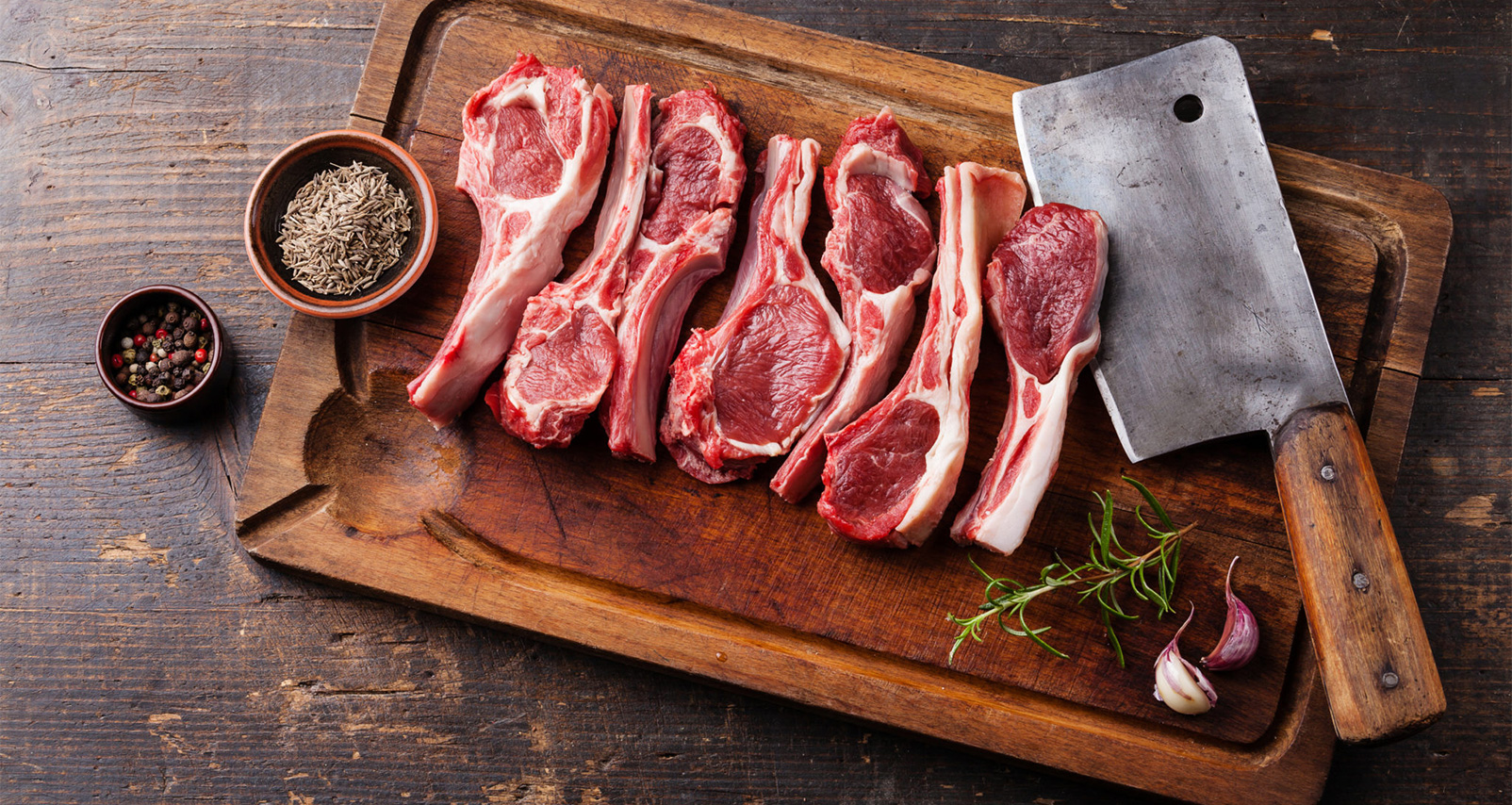
Filet mignon is the better choice when maximum tenderness and a lean, delicate texture matter most; ribeye is usually the better choice when you prefer stronger beef flavour, visible marbling and a richer eating experience. Both are premium steaks, but they deliver that premium experience in very different ways.
For UK buyers, “filet mignon” is closely associated with what is usually sold here as fillet steak, cut from the beef fillet/tenderloin. Ribeye comes from the fore-rib area and naturally carries more internal fat. AHDB’s UK specifications show premium fillet steaks being cut from the centre of the fillet, while ribeye steaks are produced from the eye muscle of the fore rib.
Quick Summary
- Most tender: Filet mignon / fillet steak
- Strongest beef flavour: Ribeye
- Leanest: Filet mignon
- More marbled: Ribeye
- Best for someone who dislikes visible fat: Filet mignon
- Best for rich steak flavour: Ribeye
- Best overall choice: neither universally wins. Choose fillet for texture and ribeye for flavour.
Filet Mignon vs Ribeye at a Glance
| Feature | Filet Mignon / Fillet | Ribeye |
| Main characteristic | Exceptional tenderness | Rich flavour and marbling |
| Beef section | Fillet / tenderloin | Fore rib |
| Fat level | Comparatively lean | More internal and external fat |
| Marbling | Low | Usually pronounced |
| Texture | Very soft, fine-grained | Tender but more substantial |
| Flavour | Mild, clean beef flavour | Richer, fuller beef flavour |
| Typical shape | Thick, compact medallion | Broader steak |
| Pan frying | Excellent | Excellent |
| Grilling / BBQ | Good with careful heat | Particularly well suited |
| Best for | Tenderness-first buyers | Flavour-first buyers |
What Is the Main Difference Between Filet Mignon and Ribeye?
The main difference is the balance between tenderness and fat-driven flavour.
Filet mignon comes from the fillet, or tenderloin, a very lean and tender muscle. Ribeye comes from the rib section and normally contains considerably more marbling.
AHDB’s premium fillet specification removes the chain, head, tail, gristle and excess fat so only the centre portion of the fillet is used for the steaks.
AHDB’s ribeye specification, by contrast, places the steak in the eye muscle of the fore rib. Ribeye is widely recognised for the fat distributed through and around its muscles.
This creates two very different steak experiences:
Filet mignon: softness first.
Ribeye: flavour and richness first.
That distinction is more useful than trying to declare one cut universally superior.
Which Steak Is More Tender?
Filet mignon is more tender than ribeye.
Fillet is prized because it contains relatively little connective tissue and is naturally soft. Waitrose describes fillet steak as the most tender beef cut and notes its lean, melt-in-the-mouth character.
Ribeye is still a tender premium steak, but it has:
- more fat
- several muscle sections
- more variation in texture
That creates a fuller bite.
A buyer who wants steak that requires very little chewing is more likely to prefer fillet.
Someone who enjoys a little more structure alongside rich fat and browned edges may prefer ribeye.
Does more tenderness mean better steak?
No.
Tenderness is only one part of eating quality.
Some steak buyers actively prefer ribeye because fillet can taste comparatively mild. Current steak comparison content consistently frames the decision as tenderness versus marbling and flavour rather than better versus worse.
Which Steak Has Stronger Beef Flavour?
Ribeye normally delivers the stronger and richer beef flavour.
The main reason is marbling.
Marbling means intramuscular fat distributed through the meat. As a ribeye cooks, some of that fat renders and contributes to:
- richness
- juiciness
- mouthfeel
- the characteristic flavour associated with rib steak
Waitrose’s current ribeye guidance specifically highlights its rich character and recommends high-heat methods such as pan-frying, griddling and barbecuing.
Fillet has less internal fat.
Its flavour is generally:
- cleaner
- milder
- less fatty
This can be an advantage rather than a weakness.
A fillet allows sauces, butter, peppercorn, mushrooms or other accompaniments to play a larger role without competing with heavy beef fat.
Choose ribeye if…
Your first question is:
“Which steak tastes richest?”
Choose filet mignon if…
Your first question is:
“Which steak feels softest and most delicate?”
Which Cut Has More Fat and Marbling?
Ribeye has considerably more visible fat and marbling than filet mignon in the typical retail comparison.
Fillet steaks are lean. AHDB’s fully trimmed fillet specification specifically removes excess fat, gristle and connective tissue before the steaks are portioned.
Ribeye naturally comes from a section known for internal fat.
That difference changes both cooking and eating.
| Characteristic | Filet Mignon | Ribeye |
| Intramuscular fat | Low | Higher |
| Large visible fat seams | Usually minimal | Can be present |
| Richness | Mild | High |
| Texture | Very fine and soft | Juicy and more varied |
| Buyer preference | Lean steak | Marbled steak |
One important point:
More fat does not automatically mean better quality.
A steak buyer who dislikes fatty texture may genuinely enjoy fillet more, even if another customer considers a highly marbled ribeye the superior steak.
Which Steak Is Easier to Cook at Home?
Both work well with high-heat cooking, but ribeye is often more forgiving while lean fillet requires closer control of doneness.
Waitrose recommends pan-frying, griddling or barbecuing for both cuts.
Why ribeye can be forgiving
The fat in ribeye helps retain a succulent eating quality.
That does not mean you cannot overcook it, but moderate variation in cooking can be less obvious than it is with very lean steak.
Ribeye works particularly well for:
- cast-iron pans
- griddles
- charcoal BBQs
- gas grills
Why fillet needs attention
Fillet has less fat to protect the eating quality if it is cooked too far.
It is also often cut relatively thick, which means you need to balance:
- exterior browning
- centre doneness
- total cooking time
For very thick fillets, a combination of pan searing and controlled oven cooking may be easier than relying on aggressive pan heat throughout.
Which is better for pan frying?
Both are excellent.
Choose:
Fillet for soft, lean steak.
Ribeye for stronger searing, rendered fat and richer flavour.
Which Cut Is Better for a Special Occasion?
Both qualify as special-occasion steaks, but they create different experiences.
Filet mignon works particularly well for:
- date nights
- plated restaurant-style meals
- smaller premium portions
- diners who value tenderness
- meals with sauces and refined sides
The fillet is also a relatively small part of the beef carcase. AHDB has previously reported fillet representing only a small proportion of total carcase meat, helping explain why it is treated as a high-value cut.
Ribeye works particularly well for:
- steak nights
- BBQs
- larger appetites
- diners who prioritise flavour
- meals where the steak itself should dominate
Ribeye feels less delicate and more robust.
That can make it particularly satisfying when the steak is the centre of the meal rather than one part of a carefully plated dish.
How Should You Choose Based on Texture, Flavour and Budget?
The easiest approach is to decide which characteristic matters most.
Choose filet mignon if tenderness matters most
Pick fillet when you want:
- very soft texture
- lean beef
- little visible fat
- a compact premium portion
- milder flavour
Choose ribeye if flavour matters most
Pick ribeye when you want:
- strong beef flavour
- more marbling
- richer mouthfeel
- BBQ suitability
- a more substantial steak experience
Choose filet mignon if you dislike fatty steak
Some people enjoy the flavour of ribeye but dislike encountering seams of fat.
For them, fillet may deliver a more consistent bite.
Choose ribeye if you want flavour without relying on sauce
Because ribeye brings more richness from the steak itself, simple seasoning and good browning can be enough.
Which gives better value?
There is no universal answer because current retail prices depend on:
- supplier
- origin
- breed
- ageing
- steak weight
- trimming
- promotions
However, fillet is a scarce cut and is traditionally among the highest-value parts of the carcase.
Ribeye may therefore feel like better value to a buyer whose priority is intense flavour rather than absolute tenderness.
The correct comparison is not simply:
Which costs less?
It is:
Which quality am I actually paying for?
With fillet, much of the premium is about tenderness.
With ribeye, much of the appeal is about marbling and flavour.
Filet Mignon or Ribeye: Which Should You Buy?
Use this quick decision block.
Choose filet mignon if:
- tenderness is your number-one priority
- you prefer lean steak
- you dislike visible fat
- you want a refined plated meal
- you plan to serve steak with sauce
Choose ribeye if:
- flavour is your number-one priority
- you enjoy marbling
- you want a juicy BBQ steak
- you prefer a richer bite
- you want the beef itself to dominate the dish
Choose either if:
- you already know the steak is well cut
- the thickness suits your cooking method
- the individual steak has the characteristics you enjoy
The cut name matters, but the actual steak still matters too.
Frequently Asked Questions
Is filet mignon more tender than ribeye?
- Yes. Filet mignon, or fillet steak in common UK terminology, is generally more tender because it comes from the tenderloin/fillet and contains little connective tissue. Ribeye is still tender, but its texture is more substantial and contains considerably more marbling.
Which steak has more flavour?
- Ribeye usually has the stronger flavour because it contains more marbling and fat. Filet mignon is milder and valued primarily for its very soft texture rather than intense fat-driven beef flavour.
Is filet mignon leaner than ribeye?
- Yes. Fillet is comparatively lean, while ribeye is known for visible marbling and fat. AHDB’s trimmed fillet specifications remove excess fat and connective tissue, while ribeye naturally comes from the fattier fore-rib region.
Which steak is better for pan frying?
- Both work well. Fillet suits someone who wants a lean, tender steak, while ribeye suits someone who wants richer flavour and rendered fat. Current UK cooking guidance recommends high-heat pan-frying or griddling for both cuts.
Is filet mignon the same as fillet steak in the UK?
- The terms are closely related. UK butchers normally use fillet steak, while “filet mignon” is more common in North American and international restaurant terminology. Filet mignon generally refers to a premium steak cut from the fillet/tenderloin, particularly its centre section.
Which is better for BBQ, fillet or ribeye?
- Ribeye is usually the stronger all-round BBQ choice because its marbling suits direct high-heat cooking and delivers a rich grilled flavour. Fillet can also be barbecued successfully but benefits from careful cooking because it is much leaner.
Choose Tenderness or Choose Richer Flavour
There is no absolute winner in filet mignon vs ribeye.
Choose fillet when you want exceptional tenderness, a leaner steak and a delicate texture. Choose ribeye when marbling, juiciness and stronger beef flavour matter more.
Compare Daly’s Meats fillet and ribeye options and choose according to the texture and flavour you prefer.